Well, I didn’t know that...
x

Eastbourne has a surprisingly rich history and some unique claims to fame. But, after doing some delving… I’ve found some fascinating stories and some unbelievable facts…. some of which are not as true as one would believe. Part One.
By Andy Thomas
So, we know our wonderful town nestles on England’s sunny East Sussex coast and has a captivating story under the visionary guidance of the Duke of Devonshire. But what else… what little gems can we find going back in time?
A Town of Firsts:
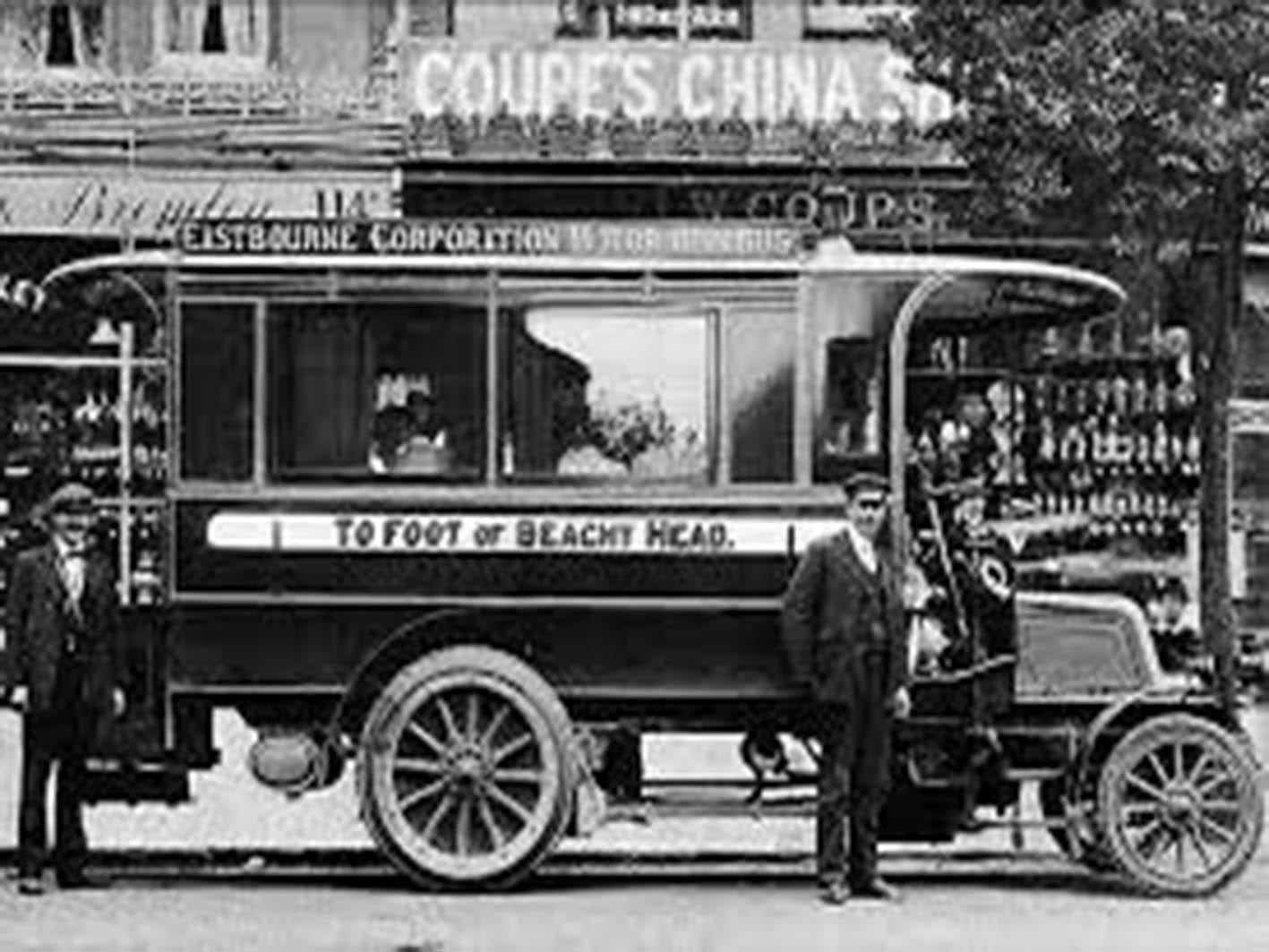
Eastbourne introduced the world’s first municipal motorbus service in 1903. Operated by Eastbourne Corporation, it began with a Milnes-Daimler vehicle running between the railway station and Mead.
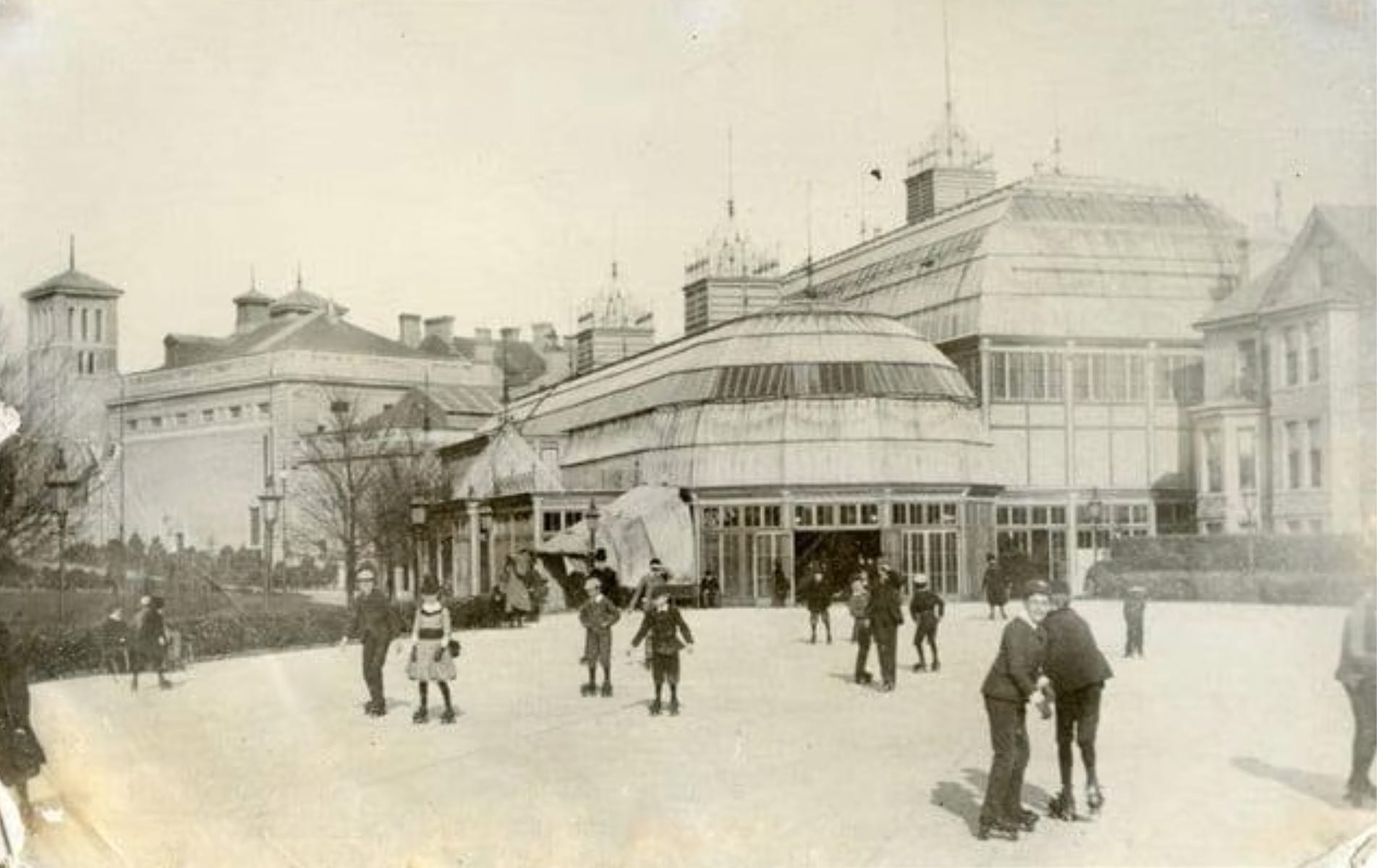
The town also had the first roller-skating rink in the UK, which was located in the Winter Garden’s Floral Hall.
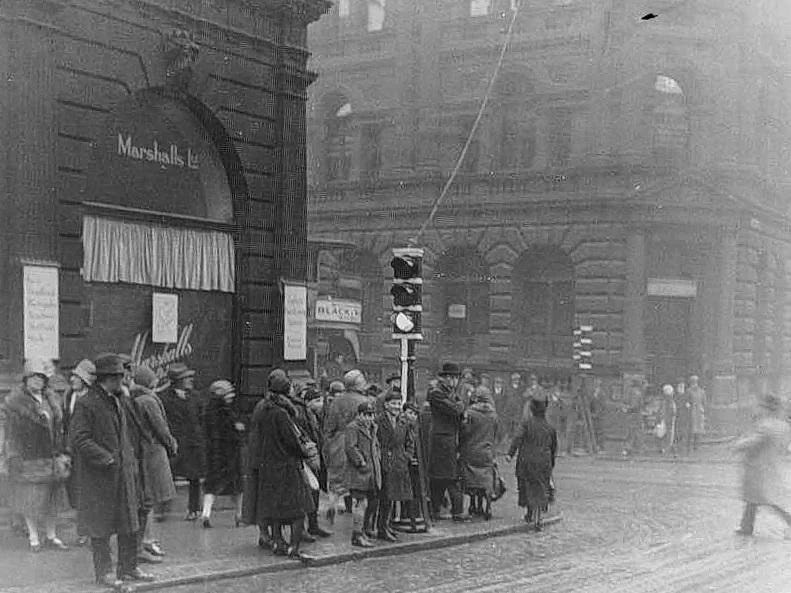
First to Install British-Made Traffic Lights in 1931: While not the absolute first traffic lights in the UK, Eastbourne claims to be the first to install a set that was manufactured within Britain, a point of national pride
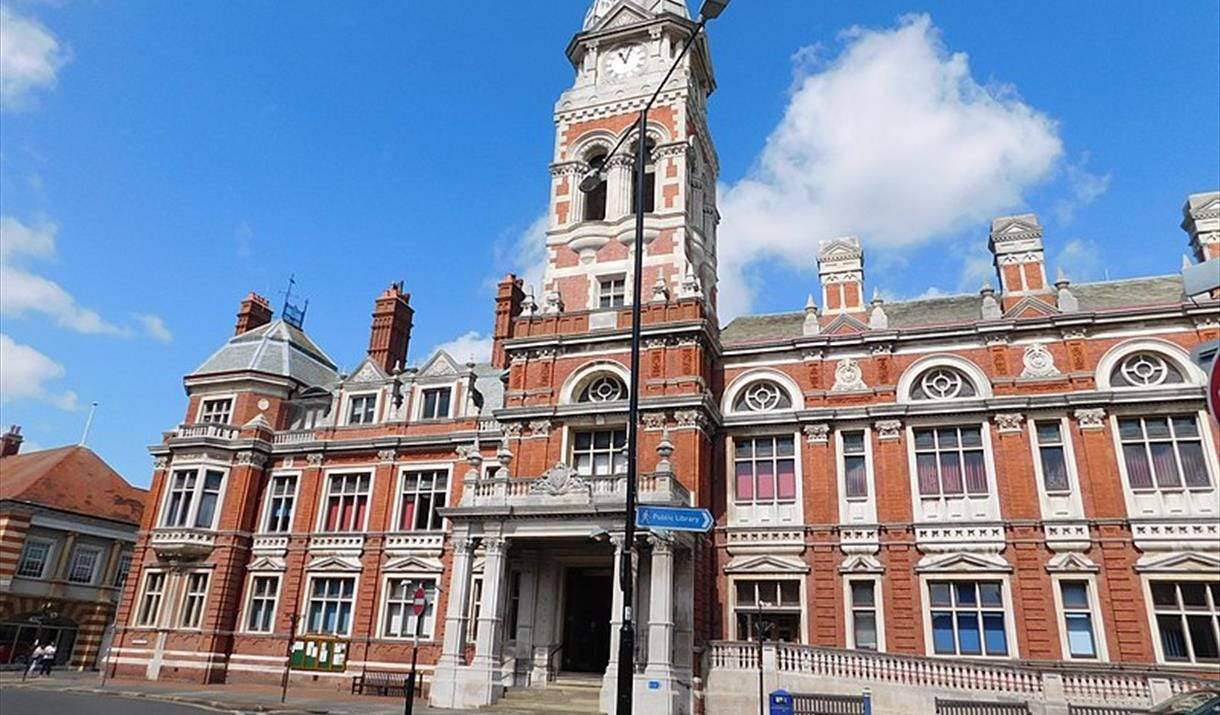
.The “Whispering Windows” of Eastbourne’s Town Hall
The Town Hall, a grand Victorian building, has a peculiar acoustic phenomenon in its main hall. If you stand at one end of the hall and whisper, someone at the opposite end can hear you remarkably clearly. It’s often referred to as the “whispering gallery” effect, though less grand than some cathedrals, it’s still unexpected in a municipal building.
The Hidden, Unfinished Shingle Railway Tunnel
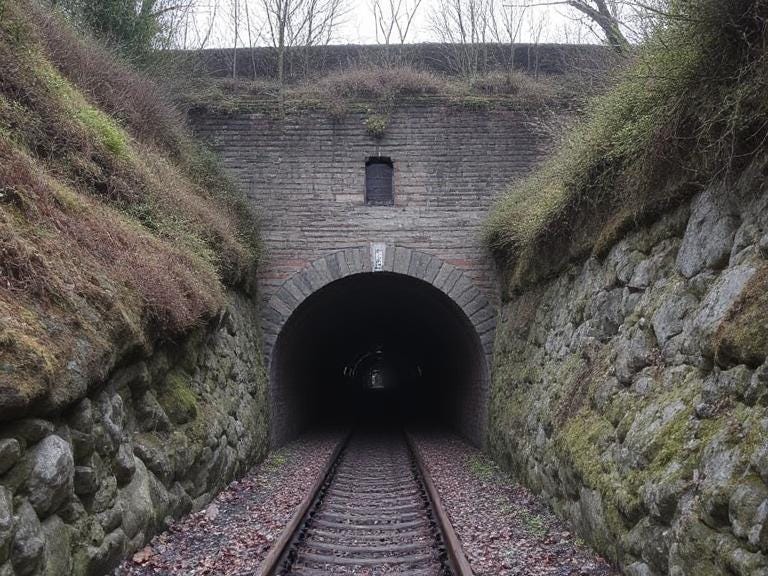
There’s a largely forgotten, subterranean Victorian-era railway tunnel beneath Eastbourne. It was an ambitious but ultimately failed project designed to transport shingle along the coast to combat erosion. It was never fully operational and finally abandoned It remains sealed. A hidden relic of engineering trial and error.
Eastbourne’s Lost “Pleasure Gardens” and Miniature Railway
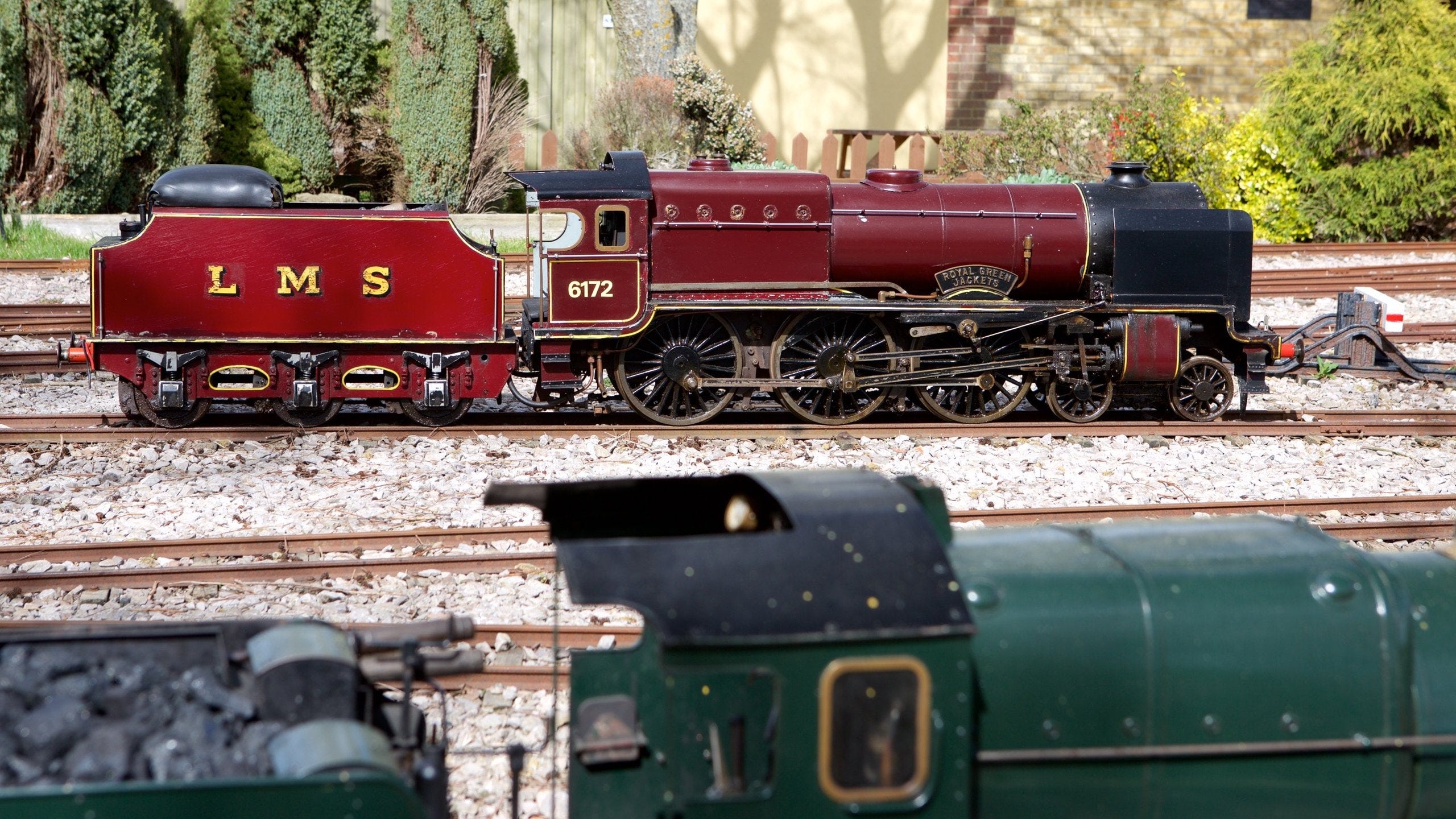
For a period in the early 20th century, Eastbourne had ambitious “Pleasure Gardens” near the Redoubt Fortress, featuring things like a large water chute and a miniature railway. Much of this infrastructure has since vanished or been repurposed, leaving behind only echoes of a grander, more varied entertainment past.
Birthplace of British shoe empires, Russell & Bromley and Jones the Bootmaker
Well, nearly… While Russell and Bromley is a family store in Eastbourne and was the first to carry the Russell & Bromley name above the door in 1880, the company’s origins actually trace back to Lewes in 1873. George Bromley, a shoemaker, married Albion Russell’s daughter, Elizabeth, in Lewes, and Elizabeth’s grandfather had established a shoemaking business there in 1820. The operations later moved from Eastbourne to Bromley in Kent in 1905.
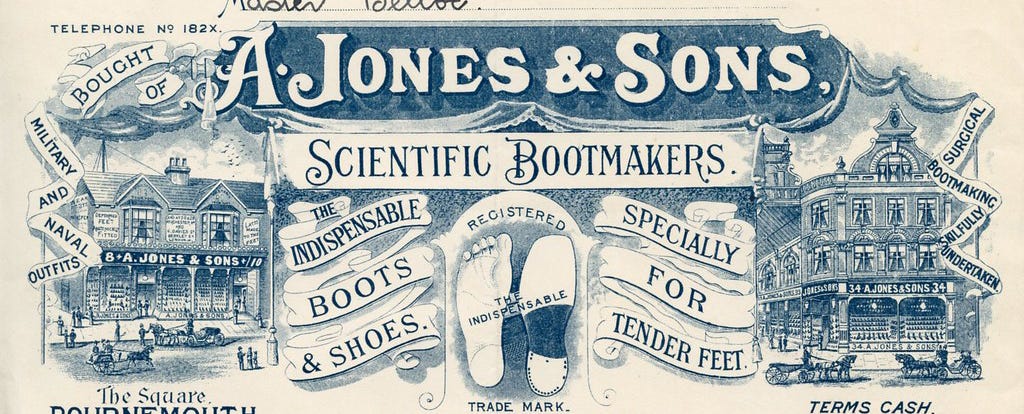
And Jones the Bootmaker… This company was founded in Bayswater, London, in 1857 by Alfred and Emma Jones. While they did expand and later opened a large warehouse in Eastbourne after World War II, the company’s birthplace is firmly in London
.Quite an Amazing list of well-known people who have lived, were born and went to school in Eastbourne
In no particular order:
Lewis Carroll, Tommy Cooper, Teresa May, George Orwell, Claude Debussy, Michael Fish, Eddie Izard, Gina McKee, Grayson Perry and Reverend Richard Coles… to name but a few.
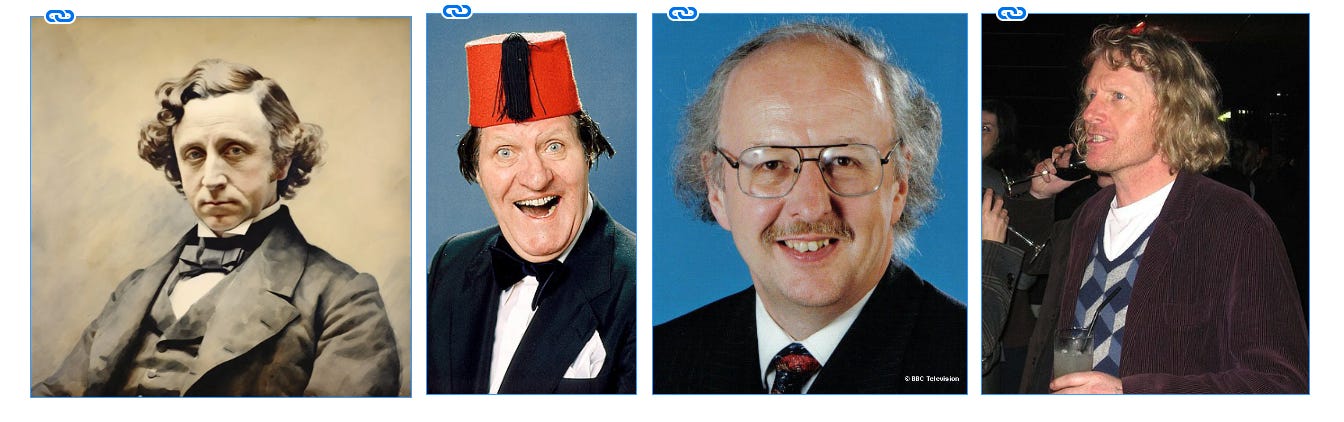
Like all famous towns, there are several myths that some people still believe to be true.
Eastbourne is a town rich in history, and with that often comes fascinating, if sometimes unsubstantiated, local legends.
Here are some urban myths about Eastbourne:
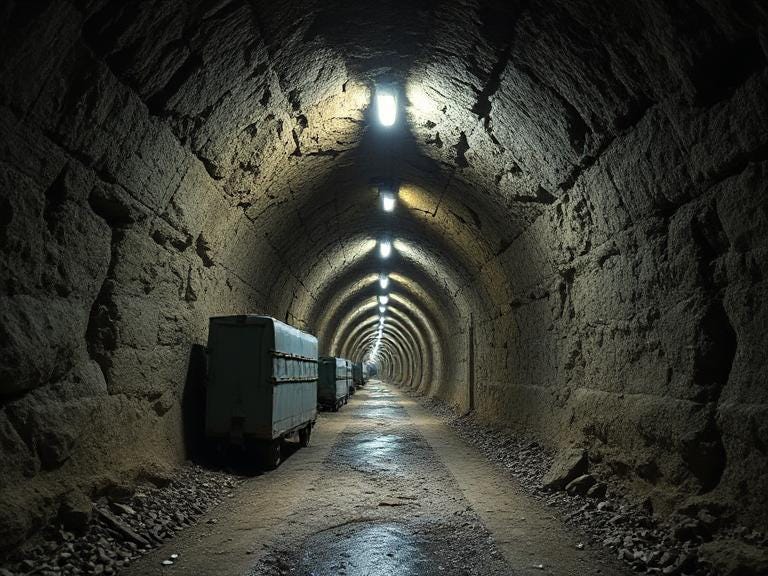
The Secret Tunnels Underneath the Town
This is a very common urban myth in many old towns, and Eastbourne is no exception. The myth suggests a vast network of secret tunnels connecting various historical buildings (like the Town Hall, the Grand Hotel, the pier, and even private houses) to each other, or perhaps to the beach for smuggling.
Well, actually: While there are some old basements, cellars, and disused service tunnels (like the failed shingle railway tunnel mentioned earlier, which doesexist but isn’t part of a vast network), a widespread, interconnected secret tunnel system is highly unlikely. Construction would have been incredibly complex and expensive, and there’s no historical evidence or need for such a network. The shingle tunnel is probably the source of some of these tales.
The Beachy Head Smugglers’ Tunnels with Hidden Treasures
This is an extension of the general tunnel myth, specifically focusing on the dramatic cliffs of Beachy Head. The story goes that smugglers used elaborate hidden tunnels and caves in the cliffs to store their illicit goods, and some of these tunnels might still contain undiscovered caches of treasure.
Digging a little deeper: Smuggling was certainly rife along the Sussex coast, and smugglers did use natural caves and sometimes dug small, temporary hiding places. However, large, complex, and still-hidden “treasure tunnels” are highly improbable. The chalk cliffs are unstable, and any extensive digging would have been prone to collapse. Most easily accessible caves would have been found and cleared long ago.
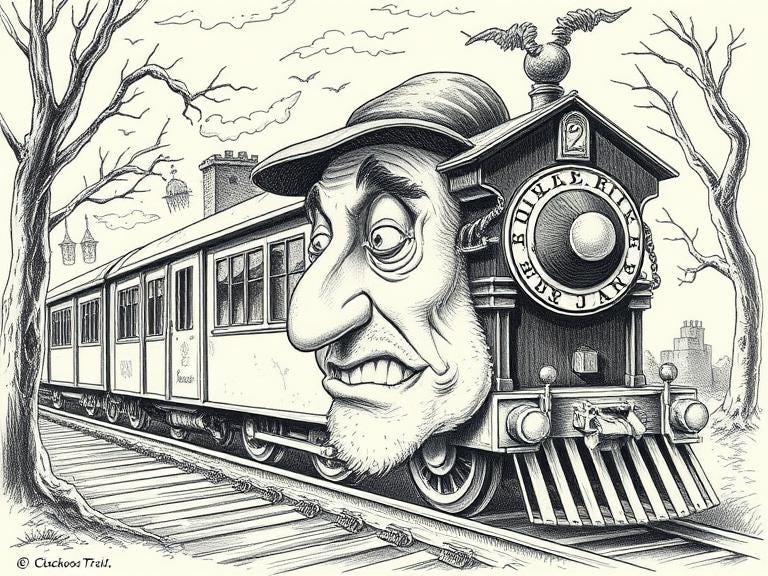
The “Ghost Train” of the Cuckoo Trail
The Cuckoo Trail is a popular walking and cycling path built on the route of a former railway line that ran between Polegate (just outside Eastbourne) and Eridge. The urban myth suggests that on certain misty nights, you can hear the whistle or even see the ghostly outline of a steam train travelling along the disused line.
Clearly not quit correct: This is a classic “phantom train” myth, common on disused railway lines. It likely stems from the evocative atmosphere of the old route, combined with the power of suggestion and the sounds of nature or distant modern trains. There’s no scientific basis for such an apparition.
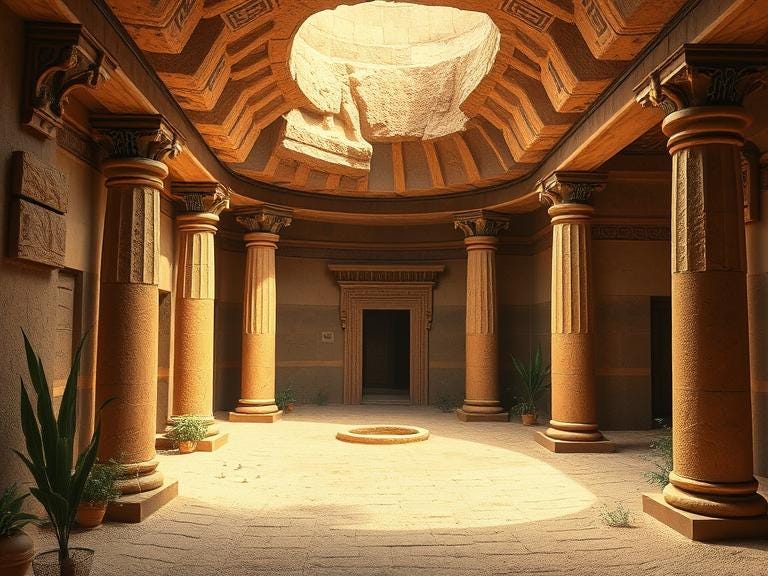
The Lost Roman Villa Underneath the Modern Town
Some local tales suggest that a significant, undiscovered Roman villa or settlement lies directly beneath the modern streets of Eastbourne, waiting to be excavated.
‘I think, therefore I’m not”: While there is evidence of Roman activity in the broader East Sussex area (e.g., Pevensey Roman Fort, which is very close), and some Roman artifacts have been found in Eastbourne, the idea of a complete, large, and still-intact Roman villa directly under the bustling town centre is improbable. Extensive modern development would likely have disturbed it, and significant finds would be well-documented. Smaller Roman farmsteads or temporary camps are more plausible, but a grand villa is less likely to be completely hidden.
The Pier Being Deliberately Built Without a Far-End Pavilion
This is more of a persistent story than a myth, but it often gets exaggerated into a grand conspiracy. The common belief is that the Duke of Devonshire (the major landowner) absolutely forbade a large, enclosed pavilion at the end of the pier to keep Eastbourne “respectable” and prevent it from becoming a more boisterous resort like Brighton.
Not quite the thing: While the Duke’s desire to maintain Eastbourne’s genteel image is true and very well-documented, and the lack of a large pavilion wasa deliberate design choice, it wasn’t necessarily a sinister or unique prohibition. Many piers of the era had different designs, and Eastbourne’s pier still had plenty of entertainment, just perhaps in a more open-air style than some others. The emphasis on forbidding it sometimes gets amplified.
These urban myths, while not factually accurate, add to the character and folklore of Eastbourne, making it an even more interesting place!